Concrete Steps & Stairs
Safe, durable stairs and steps that connect different levels of your property.
Why Quality Steps and Stairs Matter
Steps and stairs are among the most important safety features on your property. People use them daily without thinking, but poorly built stairs cause thousands of injuries every year. Uneven treads, improper rise and run, missing handrails, and deteriorating concrete all create hazards that can lead to serious falls. When you invest in quality concrete steps, you are protecting your family, guests, and yourself from preventable accidents while adding lasting value to your property.
Concrete steps handle Florida weather better than wood or metal alternatives. Wood rots, warps, and becomes slippery. Metal rusts and gets dangerously hot in the sun. Concrete stands up to rain, humidity, and heat without deteriorating. Properly built concrete stairs last 30 years or more with minimal maintenance. They do not sag, wobble, or develop the problems that plague other materials. You get safe, reliable access that performs the same way year after year.
We build concrete steps and stairs throughout Dania Beach for front entrances, back doors, patios, pool areas, and anywhere you need safe access between different levels. Our stairs meet all building code requirements for rise, run, width, and handrails. We also incorporate design elements that make your steps attractive and complementary to your home. Whether you need simple utility steps or an elegant entrance staircase, we deliver stairs that are both functional and beautiful.
Building Code Requirements for Safe Stairs
Building codes exist to ensure stairs are safe and consistent. These requirements are not arbitrary. They are based on decades of research into what makes stairs comfortable and safe to use. Here are the key code requirements we follow when building concrete steps and stairs.
Rise and Run Dimensions
The rise is the vertical height of each step, and the run is the horizontal depth of each tread. Residential stairs typically have a maximum rise of 7.75 inches and a minimum run of 10 inches. These dimensions create comfortable stairs that people can climb safely. All steps in a flight must have uniform rise and run. Even small variations can cause trips and falls because people develop a rhythm when using stairs and expect consistency.
Width and Headroom
Stairs must be at least 36 inches wide to allow safe passage. Wider stairs feel more comfortable and accommodate people carrying items. Headroom must be at least 6 feet 8 inches measured vertically above the nosing. This ensures tall people do not hit their heads when using the stairs. We verify these dimensions during planning to ensure your stairs meet code.
Landings and Platforms
Landings are required at the top and bottom of every stairway. Landings must be at least as wide as the stairs and at least 36 inches deep. These platforms provide safe areas to start and finish using the stairs without immediately facing a door or obstacle. For long runs of stairs, intermediate landings break up the climb and provide rest areas.
Handrails
Handrails are required for stairs with more than three risers. Rails must be 34 to 38 inches high measured from the nosing. They need to be grippable, meaning round or shaped so your hand can wrap around them. Handrails must be continuous for the full length of the stairs and extend beyond the top and bottom steps. We coordinate with handrail installers or provide brackets for handrails as part of your project.
- Nosing: The front edge of each tread should project slightly to create a defined edge. This helps prevent tripping and makes stairs easier to use.
- Surface Texture: Stairs must have slip-resistant surfaces. We use finishes that provide traction without being so rough they are uncomfortable to walk on.
- Lighting: While not always a code requirement, good lighting makes stairs much safer. We can include recessed lighting or provision for lighting installation.
Types of Concrete Steps We Build
Different situations call for different stair designs. We build all types of concrete steps and stairs to meet your specific needs. Here are the most common types of stairs we install.
Straight Run Stairs
Straight stairs run directly from one level to another without turns or landings. These are the simplest and most cost-effective stairs. Straight runs work well when you have adequate space and a moderate change in elevation. Most front entrance steps and basic access stairs are straight runs. We can add decorative elements like curved edges, wide landings, or decorative railings to enhance simple straight stairs.
L-Shaped and U-Shaped Stairs
When space is limited or you need to change direction, L-shaped stairs turn 90 degrees using a landing. U-shaped stairs make a 180-degree turn, often used for steeper elevation changes or when space requires a compact layout. These designs are more complex and expensive than straight runs but work better for many properties. We plan these stairs carefully to ensure landings are properly sized and turns feel natural.
Entrance Stairs with Landings
Front entrance stairs often include wide landings or platforms at the top. These create welcoming entryways where people can comfortably approach your door. We can add curves, angles, and decorative elements that make entrance stairs a focal point of your home. Entrance stairs are also opportunities for decorative finishes like stamping, staining, or custom railings that enhance curb appeal.
Garden and Landscape Steps
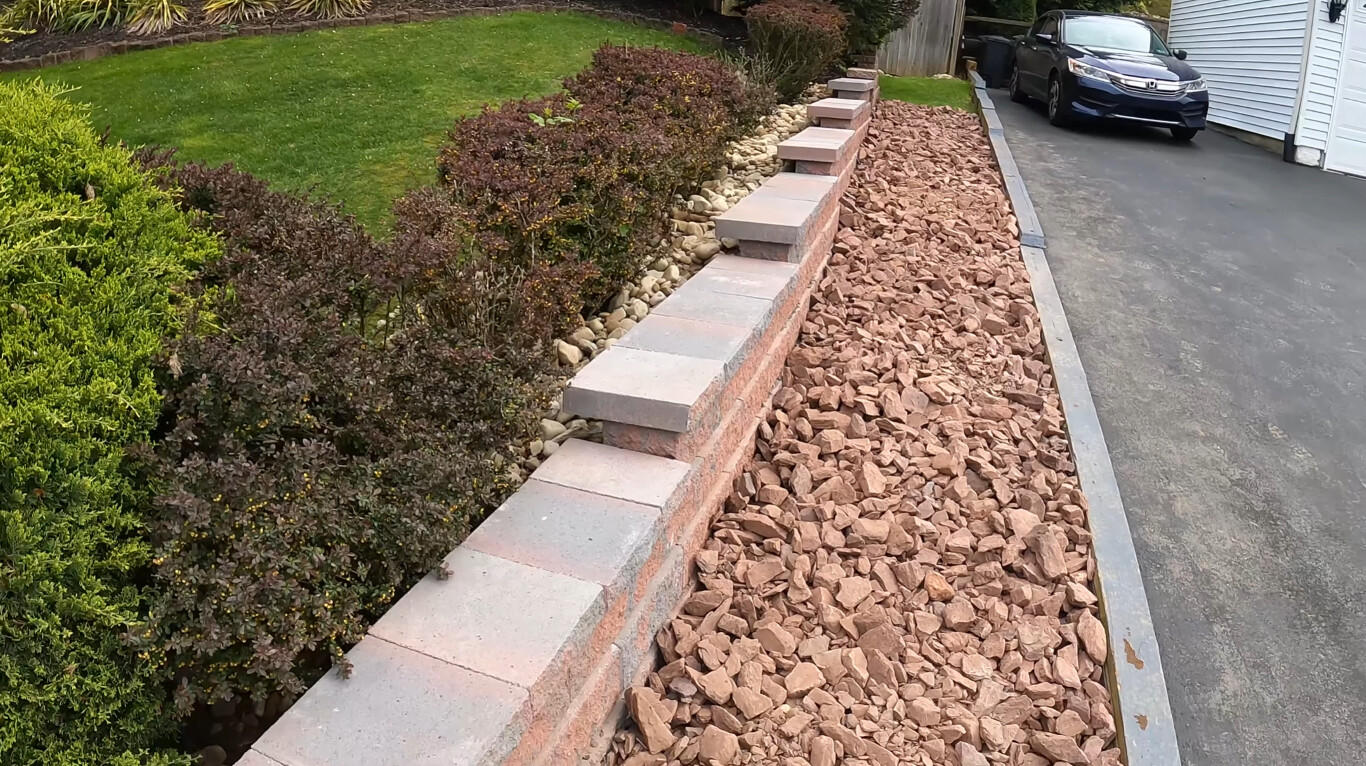
Landscape steps connect different levels in your yard and can be incorporated into garden designs. These steps might be wider and shallower than utility stairs, creating a more gradual transition. We build landscape steps that integrate with retaining walls, planters, and other landscape features. Decorative finishes work especially well for garden steps where appearance is as important as function.
Construction Process for Concrete Stairs
Building concrete stairs requires precision forming, careful calculation of dimensions, and skilled concrete work. Every step must be exactly right because even small errors affect safety and usability. Here is how we build concrete steps that meet code and perform flawlessly.
We start by measuring the total rise from bottom to top of the stairs. This measurement determines how many steps you need and the exact rise of each step. We calculate the run based on the rise and available space, ensuring all dimensions meet code. This planning phase is critical because once concrete is poured, dimensions cannot be changed without tearing everything out and starting over.
Form building is the most labor-intensive part of stair construction. We build precise forms for each tread and riser using lumber, plywood, and bracing. Forms must be level, square, and strong enough to hold concrete without bowing or shifting. We also build forms for landings and any curved or decorative elements. Form work for stairs takes longer than forms for flat surfaces, but accuracy here determines the quality of your finished stairs.
Reinforcement goes into the forms before pouring. We use rebar positioned to handle the loads stairs face, including impact from foot traffic and the weight of people carrying items. Stairs are cantilevered structures in many cases, meaning they need adequate reinforcement to avoid cracking or failure. We also tie stairs into adjacent structures like porches or landings to create a unified, stable system.
Concrete is poured carefully starting from the bottom and working up. We vibrate and consolidate the concrete to eliminate voids, especially in the narrow spaces between risers. The surface of each tread is finished to provide slip resistance. We can add broom texture, light exposure of aggregate, or other finishes that create traction without being uncomfortable to walk on. Nosings are shaped and finished carefully because these edges get the most wear and must be durable.
After the concrete cures, we strip the forms and inspect all dimensions. Any minor imperfections are addressed, and the stairs are sealed to protect against moisture and staining. We coordinate handrail installation or provide appropriate attachments if you are handling rails separately. Most stair projects take 3 to 5 days from start to finish. Your stairs are ready to use about a week after pouring, once the concrete has reached adequate strength.
Frequently Asked Questions About Concrete Steps
Need new stairs or steps for your property?
Get in touch today for a free consultation and detailed quote.